
Welcome to Green Valley Inspections
Serving all of Southern California. Los Angeles County, Orange County, San Bernardino County, Riverside County, & San Diego County

About Us
We Provide Quality Inspection Services
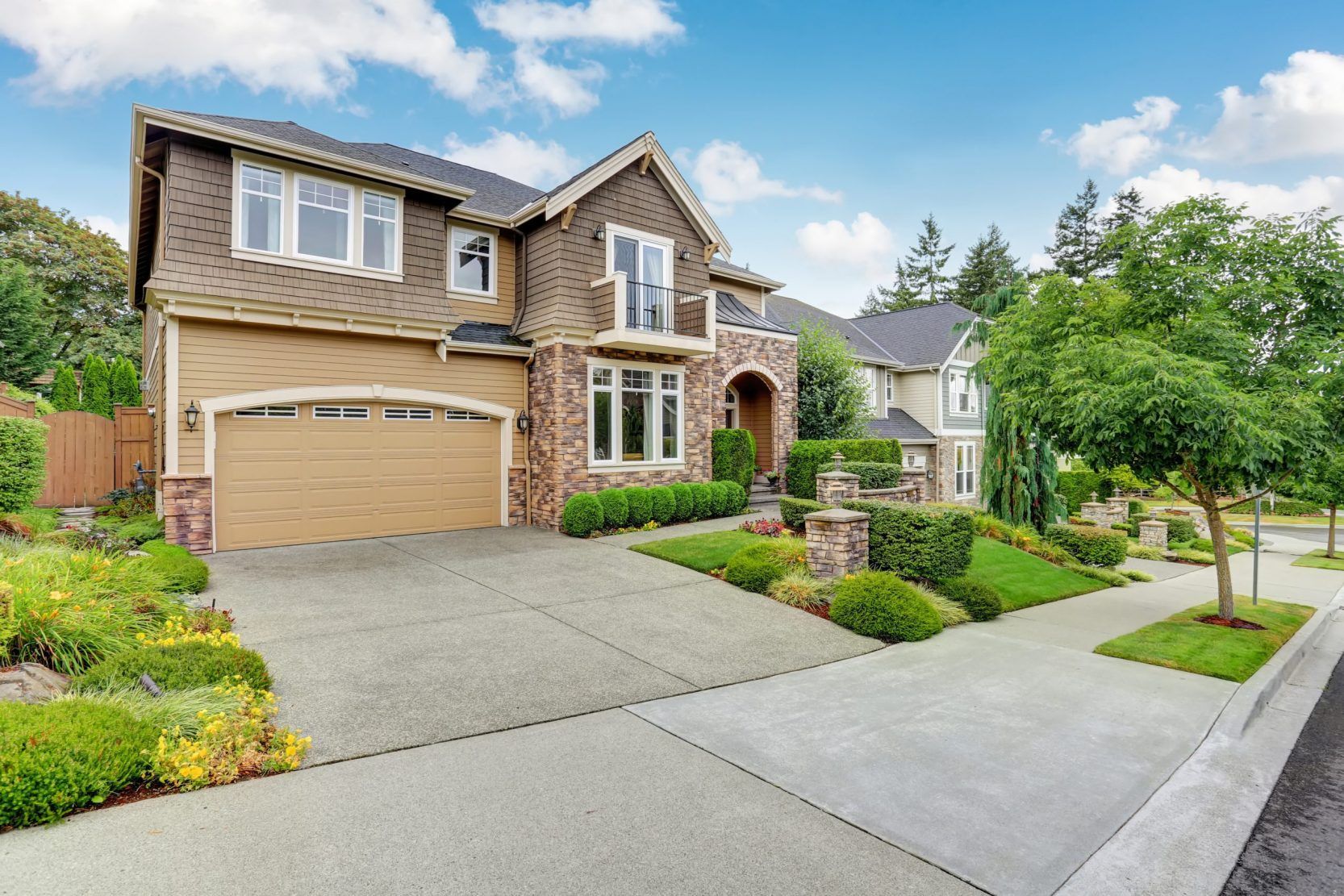
Green Valley Inspections provides professional home and commercial inspections with a strong focus on accuracy, honesty, and quality service. Our InterNACHI Certified and Certified Master Inspectors deliver detailed, easy-to-understand reports using modern tools like thermal imaging and drone technology, helping clients make informed decisions with confidence, clarity, and complete peace of mind.
Our Services
Residential - Commercial - Thermal

Thorough Home Inspections
We provide the industry’s best home inspections. We are full members of InterNACHI and a Certified Master Inspector..
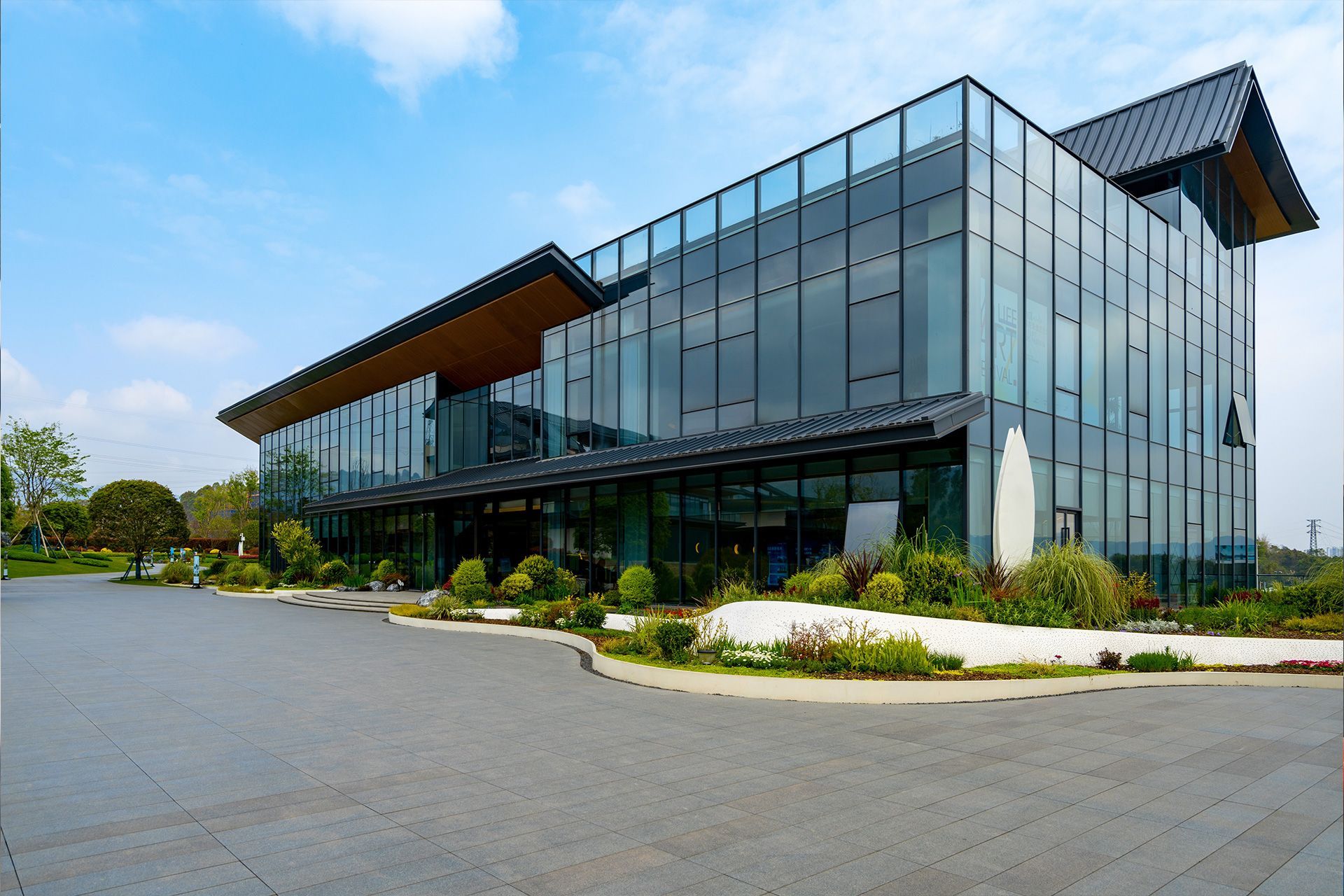
Detailed Commercial Inspections
No two buildings are the same, which is why we tailor our commercial inspections to meet the needs of our clients and for their particular commercial property.
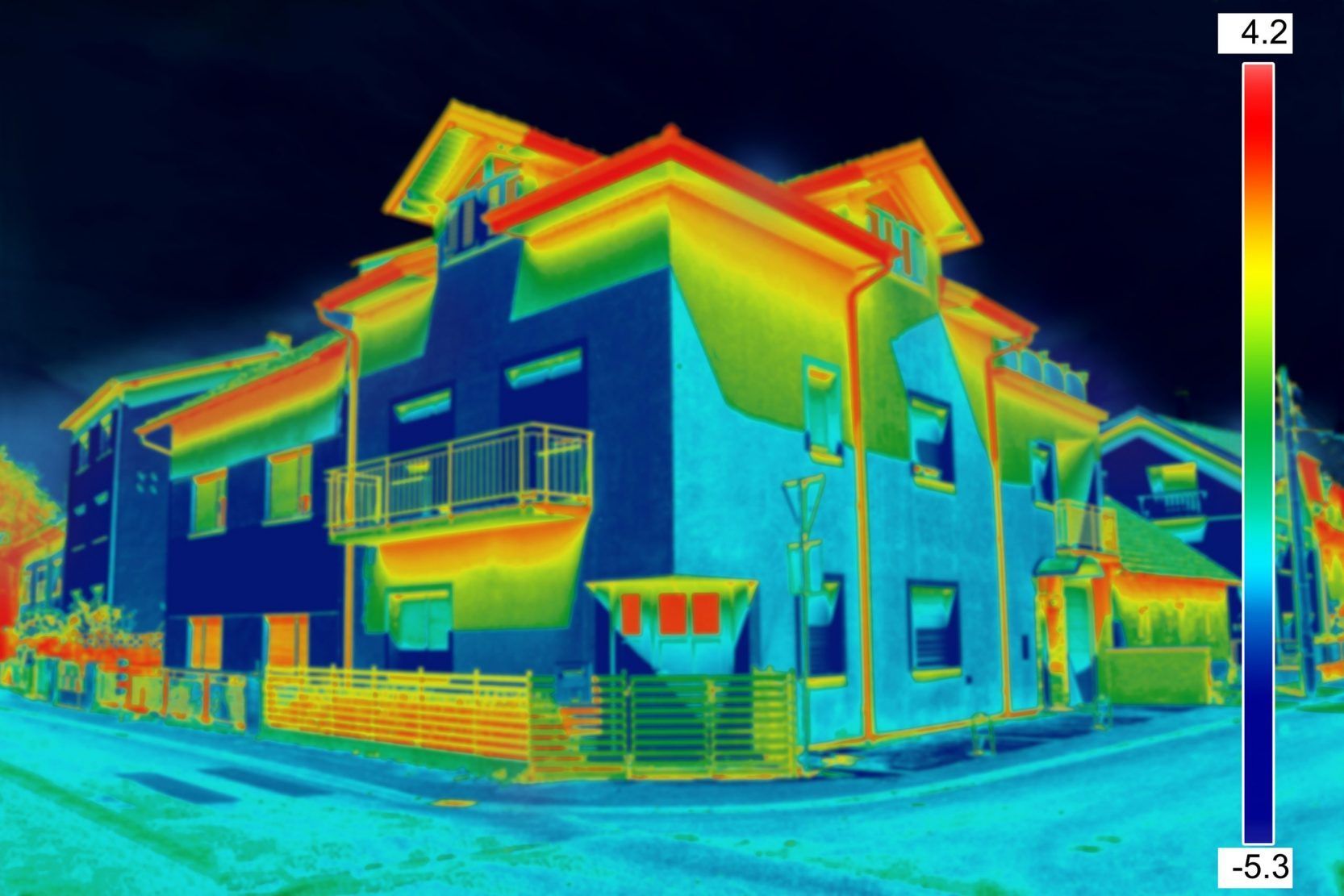
FREE IR Scans With Every Inspection
Infrared technology allows us to find issues that other inspectors may miss. Using our high quality cameras and our extensive training, we provide professional IR scans.
Additional Services
We are your one-stop-shop for inspection services. With a wide range of residential and commercial inspection services, why choose anyone else? Contact us today: (909) 913-1353
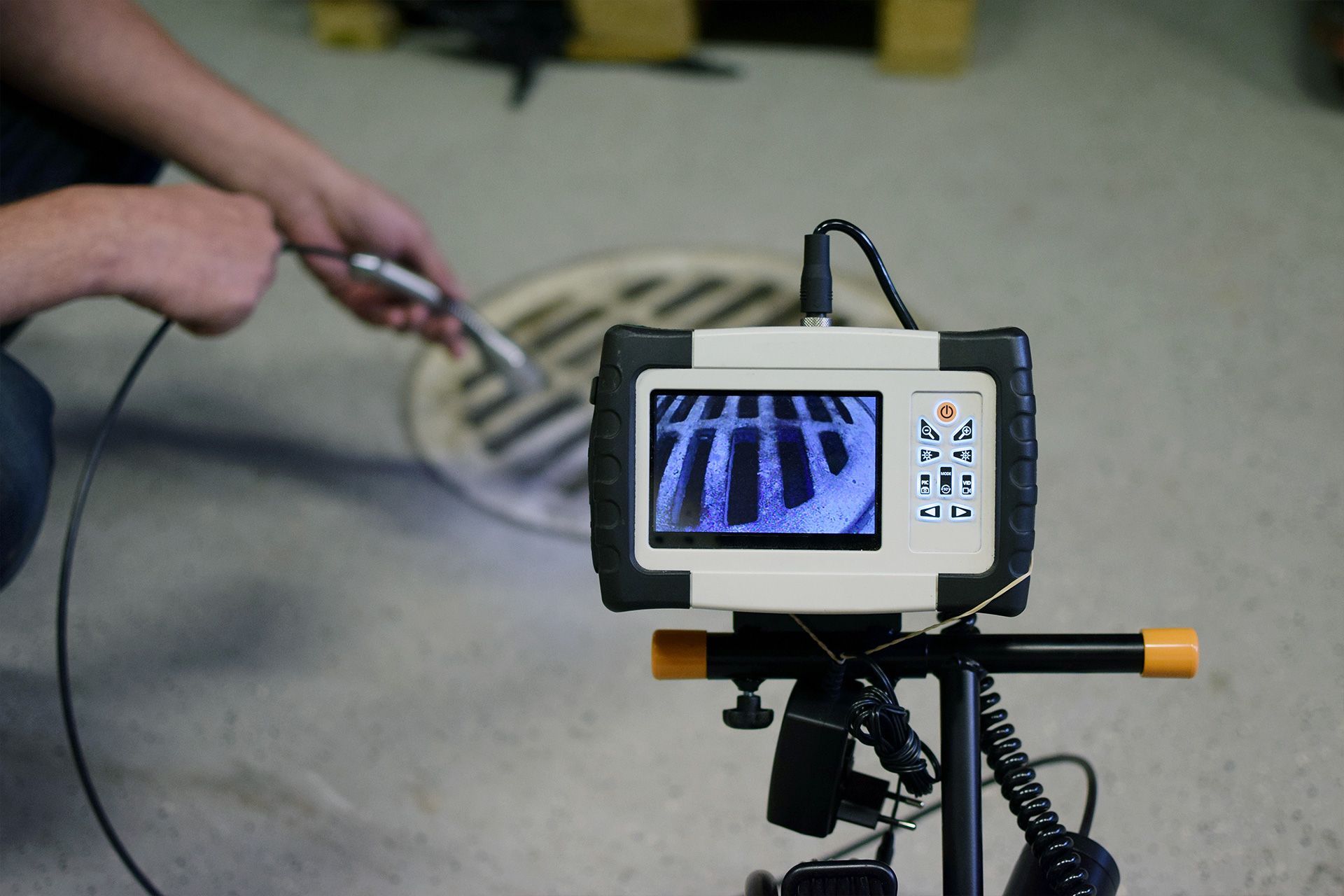
Sewer Line Inspections
We use sewer scopes and our extensive training and experience to find hidden issues in your main sewer line. Add this service to any inspection, or order as a stand-alone service.

Termite Inspections
Termites are a destructive force – and damage tens of thousands of homes in Southern California every year. Be sure to have us fully inspect your home for termite infestation.
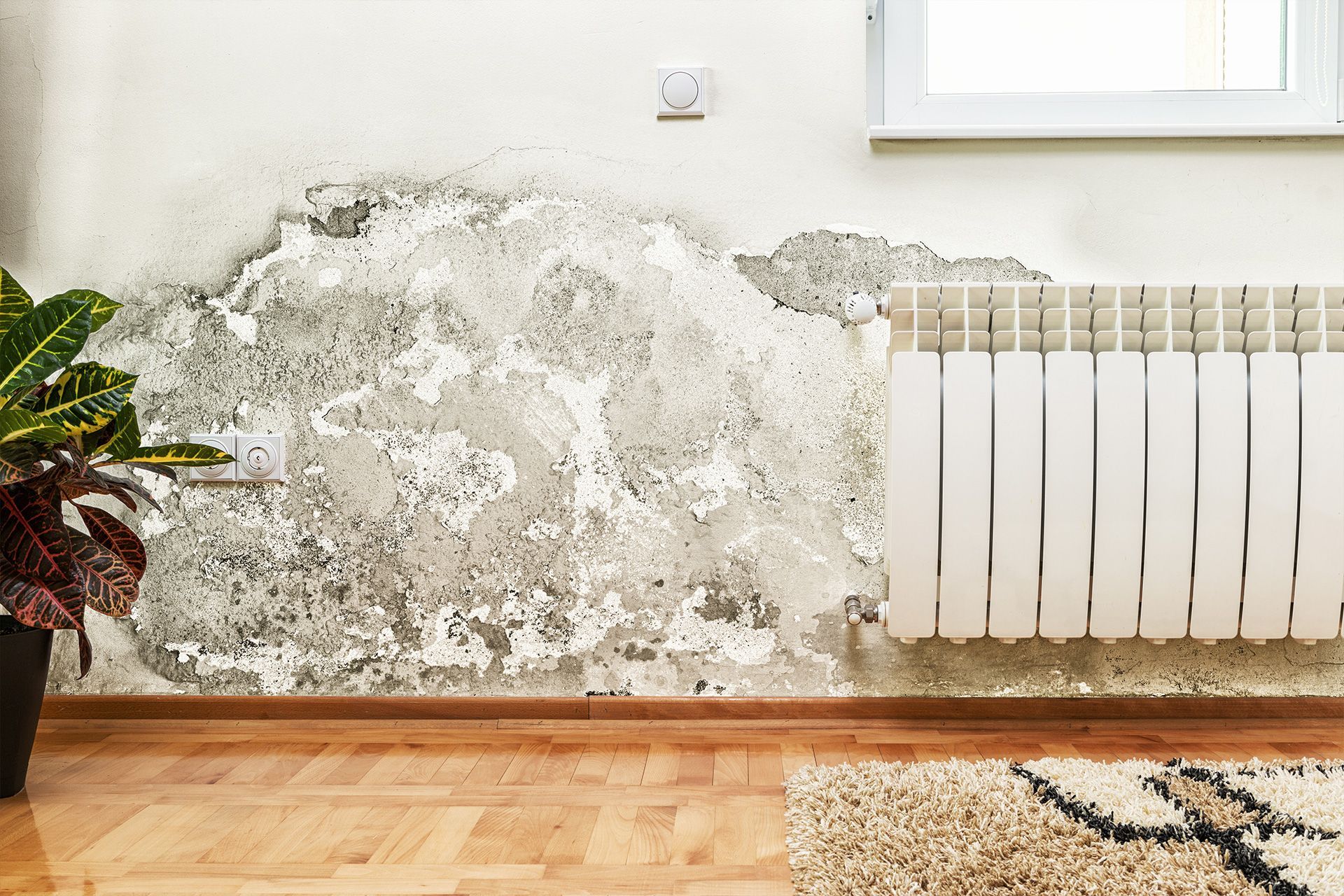
Mold Inspections
Does your home or business have mold? Is there a strange smell? Contact us and our certified professional inspectors will thoroughly inspect and report on any mold issues present.
Our Mission Statement
Green Valley Inspections is dedicated to providing the highest quality of service while delivering peace of mind to every client.
Free Thermal Imaging
Next Day Report Delivery
Drone Inspections
Certified Master Inspector
Thorough Home Inspections
Unrushed Detailed Inspection

EYES IN THE SKY
We use the latest in inspection technology to provide our clients with the best inspections in Southern California. One of those is drones – which helps us to find issues that would otherwise be missed by other inspectors. If a roof is not walkable – we do everything in our power to fully inspect it. Even if a roof is walkable, our drones help us see areas that are not accessible by foot – and thus gives you a better inspection and information.
Why Choose Us
Choose The Leaders In The Industry
Hiring a home inspector is one of the most important components during a real estate transaction. We take our work very seriously as you are making the largest purchase of your life. We’ve built our inspection services accordingly – and our reputation speaks for itself. We are InterNACHI Certified, a Certified Master Inspector, and hold ourselves and our inspections to the highest standards in the industry.
Clear, Concise Reports
Our report is our product in many ways. That’s why we have invested in modern reporting systems that incorporate photos and videos into a dedicated webpage for each inspection. You can also download a PDF if you’d like to read a hard copy version (video not included).
Tools & Technology
We use thermal imaging, drones, and more to help us inspect your home. It used to be that a flashlight and a clipboard was all an inspector carried. Times have changed and we have access to cutting edge tools that make us more effective and allow us to see more of the home.
Real Qualifications
We are InterNACHI Certified home inspectors as well as a Certified Master Inspector. These are the highest designations in the inspection industry.
Quality Inspections
The foundation of our services is a methodical inspection of the property wherein we will document safety hazards, recommended upgrades, structural issues, and more. We follow industry Standards of Practice to ensure you get a thorough inspection.

“Great great great! Very thorough with the inspection and report. Definitely recommend. These guys know what they’re doing. If you are a buyer looking to do your physical investigations get this company or if you’re a homeowner who wants to know if any repairs need to be done this is the company for you. Very inexpensive and high quality. I’ve met both the owner Eric and the technician that came out John they are both very honest and knowledgeable.”
Cynthia Navarro
4.9 (400+) Google Reviews)
Get Free Quote
Testimonials
What Our Clients Are Saying
News & Updates
Featured News and Insights
Service Areas
We proudly provide professional home inspection services across Southern California. Our team serves homeowners, buyers, sellers, and real estate professionals throughout the region with thorough, reliable inspections.
We offer home inspection services throughout the following counties:
- San Bernardino County
- Riverside County
- Los Angeles County
- Orange County
- San Diego County