
Hidden Dangers in Older Homes: Outdated Construction Hazards You Shouldn’t Ignore
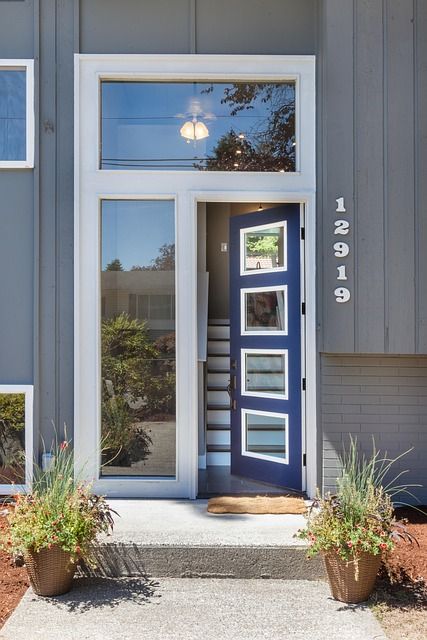
When walking through a charming mid-century or vintage property, it’s easy to get swept up in the character—arched doorways, solid wood floors, hand-laid tile. But beneath that old-world craftsmanship can hide hazards that modern building codes have long since eliminated. Older homes can be sturdy, but they often carry outdated materials or construction practices that pose risks to safety and health.
Below are some of the most common outdated hazards that still pop up during inspections of older properties, especially those built before the late 1970s.
1. Asbestos in Building Materials
Decades ago, asbestos was the go-to choice for builders thanks to its fire resistance, strength, and affordability. It was commonly used in insulation, textured ceilings, old vinyl flooring, wallboard, and heating ducts. The danger arises when these materials are damaged, drilled, or cut—releasing microscopic fibers into the air that can cause serious lung diseases over time. If you suspect asbestos in your home, never try to remove it yourself. Have the material tested and, if necessary, let a licensed abatement contractor handle the cleanup safely.
2. Lead-Based Paint Risks
Before 1978, lead-based paint was a staple in residential construction. It was durable and provided excellent color retention, but we now know that even small amounts of lead dust or flakes can be toxic, particularly to children and pregnant women. Chipping paint, friction surfaces like windows and doors, or renovation activities can all release harmful lead particles. Testing older paint layers and following certified lead-safe work practices are the best ways to reduce exposure and protect your household’s health.
3. Outdated Electrical Systems
Electrical hazards are among the most common issues in older homes. Knob-and-tube wiring, aluminum branch circuits, and undersized breaker panels may still exist in properties that haven’t been fully updated. These outdated systems weren’t designed to handle today’s electrical loads and can pose a fire risk. Modern upgrades like grounded outlets, GFCI protection, and adequate circuit capacity can dramatically improve both safety and convenience.
4. Aging Plumbing and Materials
Galvanized steel and lead piping were once standard but have long outlived their usefulness. Over time, galvanized pipes corrode internally, restricting water flow and potentially releasing lead particles. Lead supply lines are even more concerning for obvious health reasons. Replacing them with copper or PEX lines is one of the most worthwhile upgrades a homeowner can make.
5. Structural and Foundation Concerns
In older homes, foundation cracks, unreinforced masonry, and outdated framing methods can lead to instability—especially in seismic regions. Reinforcement, retrofitting, and proper drainage systems can prevent long-term damage and improve safety during an earthquake or heavy rains.
Final Thoughts
Older homes hold tremendous character and craftsmanship, but they also require a discerning eye. Many of these hazards aren’t immediately visible and often go unnoticed until a professional inspection uncovers them. Whether you’re buying, renovating, or simply maintaining an older property, awareness and proactive upgrades can preserve its beauty while ensuring it meets today’s safety standards.
A little modern attention to these classic structures can keep them safe, functional, and timeless for decades to come.
The post Hidden Dangers in Older Homes: Outdated Construction Hazards You Shouldn’t Ignore appeared first on Green Valley Inspections.
Disclaimer: The information on this website and blog is for general informational purposes only and is not professional advice. We make no guarantees of accuracy or completeness. We disclaim all liability for errors, omissions, or reliance on this content. Always consult a qualified professional for specific guidance.
Search
Certification
Green Valley Inspections is InterNACHI Certified, a Certified Master Inspector, and CCPIA-certified, demonstrating advanced training, extensive experience, professional ethics, and expertise in residential and commercial property inspections across Southern California.


Social Media
Google Reviews

5-star ratings from 440+ clients across Southern California.
Contact Us
Recent Post


Service Areas
We offer home inspection services throughout the following counties: